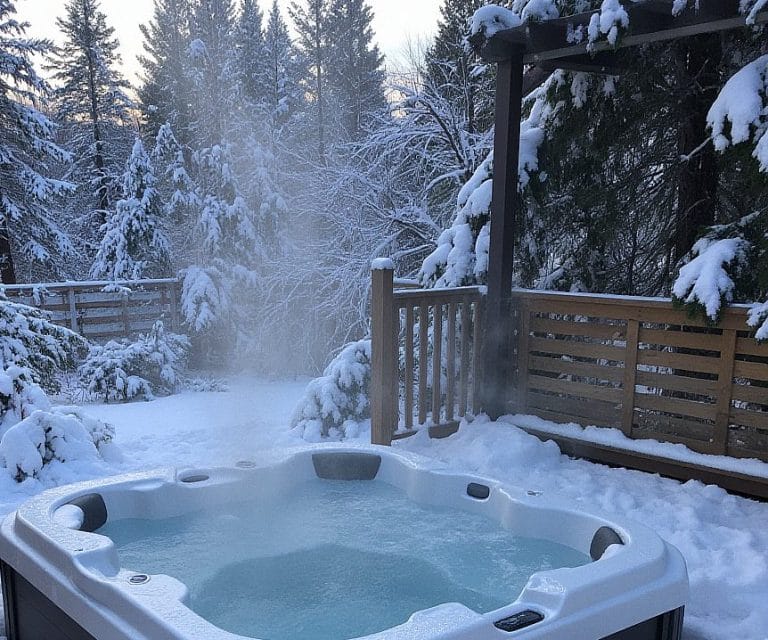

Keeping your hot tub in top condition during the summer months requires some extra care. Follow these tips to ensure your hot tub is ready for use all summer long:
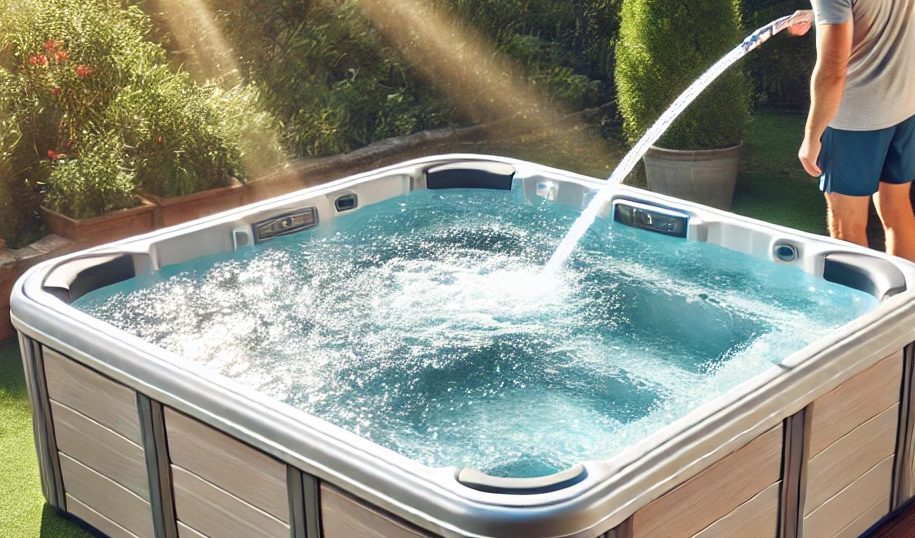
Monitor Water Levels:
Hot weather can cause water to evaporate quickly. Check and top off your water levels regularly.
Maintaining the correct water level in a hot tub is essential for ensuring optimal performance and longevity of the spa components. Here’s a simple guide to checking and maintaining the water level in your hot tub:
What to Look For:
1. Ideal Water Level: The water should reach about halfway up the skimmer intake or slightly higher. This allows the skimmer to effectively filter out debris and ensures the pump is sufficiently primed, preventing dry running which can damage the pump.
2. Overfilled Tub: If the water level is too high, it might spill over when people enter the hot tub, which could lead to water imbalance and potential damage around the tub.
3. Low Water Level: If the water is below the intake of the skimmer, air can get sucked into the system which might damage the pump and heater.
How to Maintain:
1. Regular Checks: Make it a routine to check the water level each time you use the hot tub or at least once a week. This is particularly important after heavy usage since water levels can drop due to splashing and evaporation.
2. Adding Water:
• If the water level is low, use a garden hose to add water. It’s advisable to use a hose filter if possible to reduce the introduction of impurities and minerals into the spa water.
• Fill the water up to the appropriate level as per your hot tub’s user manual.
3. Draining Some Water:
• If you’ve overfilled the hot tub, simply drain some water out. This can be done by attaching a hose to the spa’s drain valve and letting out enough water to reach the desired level.
By following these simple steps, you can easily maintain the appropriate water level in your hot tub, ensuring its efficient operation and prolonging its lifespan.
Balance the Chemicals: High temperatures can affect the chemical balance in your hot tub. Test and adjust your chemicals more frequently to maintain clean and safe water.

Balancing the chemicals in your hot tub is crucial, especially since high temperatures can significantly impact the chemical balance, leading to potential issues with water clarity and safety. Here’s how to effectively manage your hot tub’s chemical balance:
Step-by-Step Guide to Balancing Hot Tub Chemicals:
- Test the Water Regularly:
- Use test strips or a liquid test kit to measure the levels of pH, alkalinity, and sanitizer (such as chlorine or bromine). High water temperatures can cause these levels to fluctuate more rapidly.
- Adjust the pH Level:
- Ideal pH levels for a hot tub are typically between 7.4 and 7.6. If the pH is too high, it can lead to scale buildup and cloudy water. If it’s too low, it can cause corrosion to the hot tub components and irritation to the skin and eyes.
- Use a pH increaser or decreaser as needed to bring the pH within the recommended range.
- Manage Alkalinity:
- Alkalinity acts as a buffer for the pH, helping to keep it stable. The recommended range for total alkalinity is usually between 80 and 120 ppm (parts per million).
- Adjust the alkalinity using an alkalinity increaser if it falls below the recommended level, or dilute the water slightly if it’s too high.
- Sanitize the Water:
- Sanitizers like chlorine or bromine are essential to keep the water clean and safe by killing bacteria and other pathogens.
- Ensure the sanitizer levels are maintained within the recommended range, which is typically 1-3 ppm for chlorine and 2-4 ppm for bromine.
- Shock the Hot Tub:
- Regularly shocking the hot tub helps to break down organic contaminants like body oils, lotions, and sweat.
- Use a shock treatment product according to the manufacturer’s instructions, ideally once a week or following heavy use.
- Recheck and Adjust:
- After making any chemical adjustments, allow the water to circulate for at least an hour, then retest the water.
- Make further adjustments as necessary to maintain the recommended chemical levels.
By following these steps and testing your hot tub’s water chemistry frequently, especially after adjusting the water level, you can ensure your equipment is protected and the soaking experience remains safe and enjoyable for everyone.
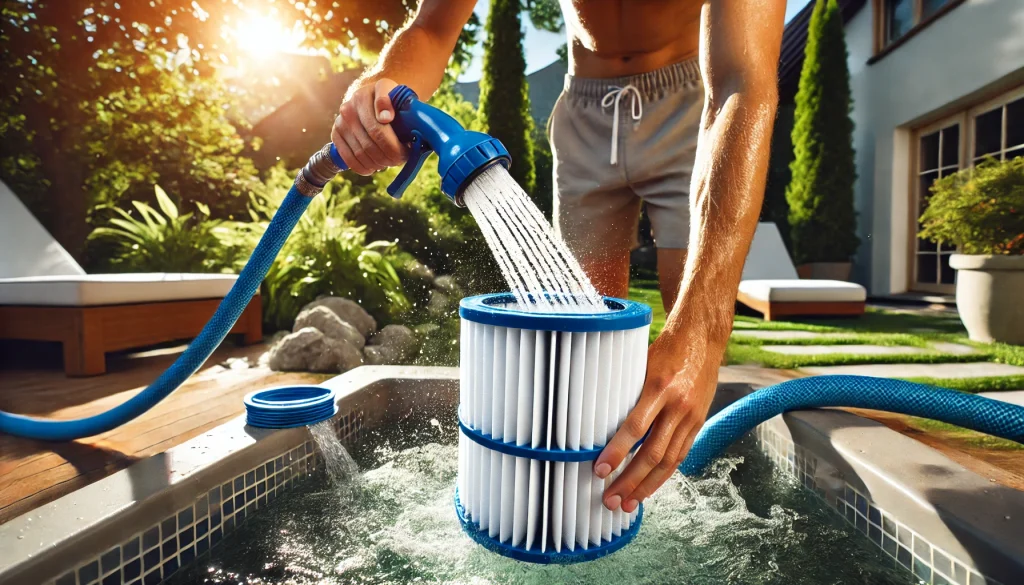
Clean the Filters: Regularly clean your filters to ensure proper water circulation and filtration.
Cleaning the filters in your hot tub is an essential maintenance task that helps ensure proper water circulation and filtration, which are crucial for maintaining clean and healthy water. Here’s how you can keep your hot tub filters in top condition:
Step-by-Step Guide to Cleaning Hot Tub Filters:
- Locate and Remove the Filters:
- Most hot tubs have easily accessible filter cartridges located under the skimmer basket or in a separate compartment near the top of the tub. Make sure the hot tub is off before you attempt to access the filters.
- Rinse with Water:
- Remove loose debris by rinsing the filters thoroughly with a garden hose. Use a straight stream of water rather than a high-pressure setting to avoid damaging the filter fibers.
- Soak the Filters:
- For a deeper clean, soak the filters in a specially formulated filter cleaner solution. This helps break down oils and greases that water alone can’t remove. Follow the instructions on your chosen cleaner, which typically involve soaking the filters for a few hours or overnight.
- Rinse Again:
- After soaking, rinse the filters thoroughly with clean water to remove any residual cleaning solution. It’s important to ensure all chemical cleaner is washed off to prevent it from entering your hot tub water.
- Dry and Replace:
- Allow the filters to dry completely if possible before replacing them. This can help improve their efficiency. Once dry, reinstall the filters according to your hot tub’s instruction manual.
- Schedule Regular Cleaning:
- How often to clean your hot tub filters can depend on how frequently the tub is used and the overall water quality. A general rule of thumb is to clean the filters every 2-4 weeks and to consider a deep clean every 1-3 months.
- Replace When Necessary:
- Even with regular cleaning, hot tub filters wear out and lose their effectiveness. They should typically be replaced every 1-2 years, depending on usage and maintenance practices.
By regularly cleaning your hot tub filters, you can enhance water clarity, improve chemical efficiency, and extend the life of both the filters and the hot tub itself. Regular maintenance ensures that your hot tub remains a safe and enjoyable place for relaxation.
Keep it Covered: Use a cover when your hot tub is not in use to keep debris out and retain heat.
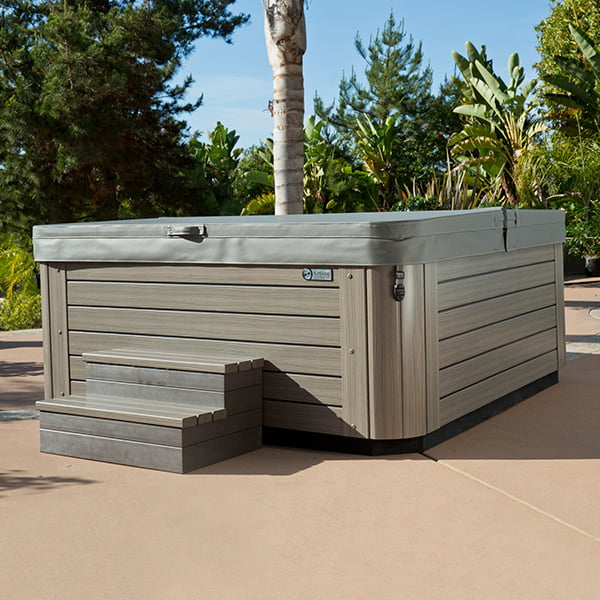
Using a cover on your hot tub when it’s not in use is a crucial step in maintaining your spa. A proper cover helps keep out debris, retain heat, and reduce the evaporation of water and chemicals, which can save you energy and maintenance costs. Here’s how to effectively use and care for your hot tub cover:
Benefits of Keeping Your Hot Tub Covered:
- Keeps Debris Out: A cover prevents leaves, dirt, insects, and other debris from entering the hot tub. This reduces the need for cleaning and protects the water quality.
- Improves Heat Retention: By insulating the hot tub, the cover helps maintain the water temperature, reducing the energy required to heat the water and thereby lowering your energy bills.
- Minimizes Water and Chemical Evaporation: Covering your hot tub helps slow down the evaporation of water and the loss of chemicals, which means you’ll need to add water and balance the chemicals less frequently.
- Provides Safety: A sturdy cover can provide a safety barrier to prevent children and pets from accidentally falling into the water.
Tips for Using and Maintaining Your Hot Tub Cover:
- Ensure Proper Fit: Make sure your hot tub cover fits snugly over the entire surface of the hot tub. This maximizes its effectiveness in insulation and protection.
- Clean Regularly: Clean the cover at least once a month with mild soap and water or a cleaner designed specifically for hot tub covers to prevent dirt build-up and to protect the material.
- Handle with Care: When removing or replacing the cover, handle it gently to avoid tears or damage. Consider using a cover lifter, which can make it easier to move the cover and reduce wear and tear.
- Check for Wear and Tear: Regularly inspect your cover for signs of wear, such as cracks, sagging, or a waterlogged appearance. These can diminish the cover’s effectiveness and may mean it’s time for a replacement.
- Avoid Placing Heavy Objects on Cover: Never place heavy items on the cover, as this can damage the structure and materials, compromising its insulative properties.
- Ventilation: Occasionally, it’s good to let your hot tub “breathe.” Remove the cover completely for a few hours every now and then (considering safety and environmental factors) to allow any accumulated chemical gases to dissipate.
By consistently using and properly maintaining a hot tub cover, you can significantly enhance the longevity and enjoyment of your hot tub. A well-cared-for cover not only saves you money on maintenance and energy but also keeps your hot tub ready and inviting for whenever you need a relaxing soak.
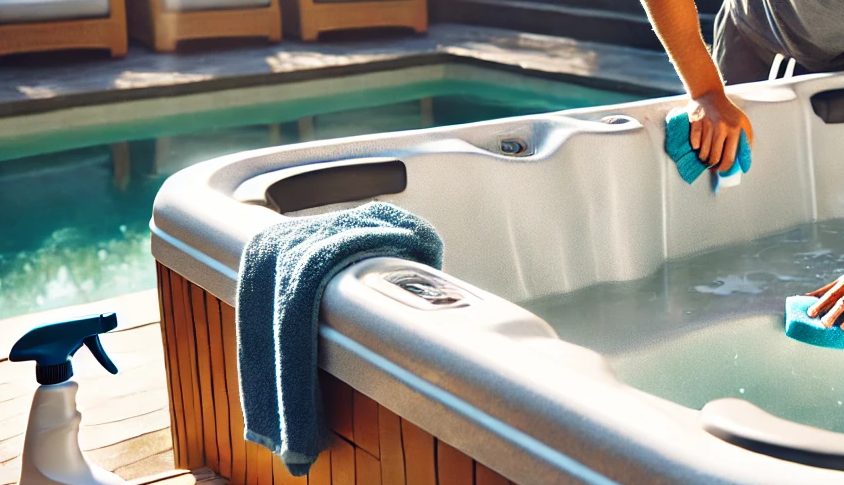
Schedule Deep Cleanings: Plan for a thorough cleaning of your hot tub every few months, including draining and refilling the water.
Scheduling regular deep cleanings for your hot tub is essential to maintain its cleanliness, efficiency, and longevity. A thorough deep cleaning involves more than just the routine maintenance tasks; it includes draining and refilling the water, which allows you to clean areas that are not accessible during daily or weekly upkeep. Here’s a comprehensive guide on how to conduct a deep cleaning of your hot tub every few months:
Steps for Deep Cleaning Your Hot Tub:
- Preparation:
- Before you begin, ensure all electrical components are turned off to avoid any safety hazards.
- Gather necessary supplies such as a garden hose, bucket, sponges, a mild non-abrasive cleaner, and a hot tub vacuum if available.
- Drain the Hot Tub:
- Locate the drain valve on your hot tub and attach a hose. Direct the hose to an area where it is safe to dispose of the water, considering local regulations about water disposal.
- Open the valve to allow the water to flow out. This might take some time depending on the size of your hot tub.
- Clean the Shell:
- Once the hot tub is empty, remove any debris from the bottom.
- Use a mild non-abrasive cleaner and a soft sponge or cloth to clean the shell. Pay special attention to any jets, nooks, and crannies where biofilm can accumulate. **the quick dissolving granular pH decreaser can be used as the non-abrasive cleanser- you probably already have it on hand and it will not skew your water chemistry like a cleaner with detergent may
- Rinse thoroughly to ensure no cleaning residue is left behind.
- Clean or Replace Filters:
- While the tub is empty, it’s a good time to clean the filters thoroughly as previously described or replace them if they are worn out.
- Inspect and Clean the Cover:
- While the hot tub drains, inspect and clean the cover. Look for signs of wear and tear and clean it using a suitable cover cleaner.
- Refill the Hot Tub:
- Close the drain valve and remove the hose.
- Use a clean garden hose to refill the hot tub. Consider using a hose filter to minimize the introduction of impurities.
- Rebalance the Water Chemistry:
- Once the hot tub is refilled, turn on the power.
- Allow the water to circulate and then test the water chemistry using test strips or a digital tester.
- Adjust the pH, alkalinity, and sanitizer levels to their ideal ranges.
- Perform a System Flush:
- Before draining the tub, it can be beneficial to use a plumbing cleaner to flush out the pipes. This helps remove any build-up in the internal plumbing system. Follow the manufacturer’s instructions for the cleaner.
- Regularly Schedule Deep Cleanings:
- Mark your calendar for the next deep cleaning to ensure it’s not overlooked. Generally, a deep cleaning is recommended every 3 to 4 months, depending on the frequency of use and the number of bathers.
By adhering to this schedule and performing thorough cleanings, you ensure that your hot tub remains in excellent condition, providing a safe and enjoyable experience for all users. Regular deep cleanings not only enhance the performance but also extend the lifespan of your hot tub.
With these comprehensive summer maintenance tips fresh in your mind, you’re all set for a season of clean, safe, and relaxing hot tub enjoyment. By diligently applying what you’ve learned, you can keep your hot tub in top condition and fully enjoy your summer retreat!